Home Advantage for Australian and New Zealand Colleagues
For the past few months I have been working with a small group of Australian colleagues, and the IFLA HQ staff based at HQ in The Hague as part of a team developing the Summit program and everything that goes with it. The IFLA Library Futures Summit (or IIFS) is the name chosen for the 2024 IFLA President’s Meeting, and given that the current IFLA President, my friend Vicki McDonald, is an Australian based in Brisbane its only natural (and traditional) for the Summit to be held in her home city. The logo (above) is representative of the winding Maiwar/Brisbane River.
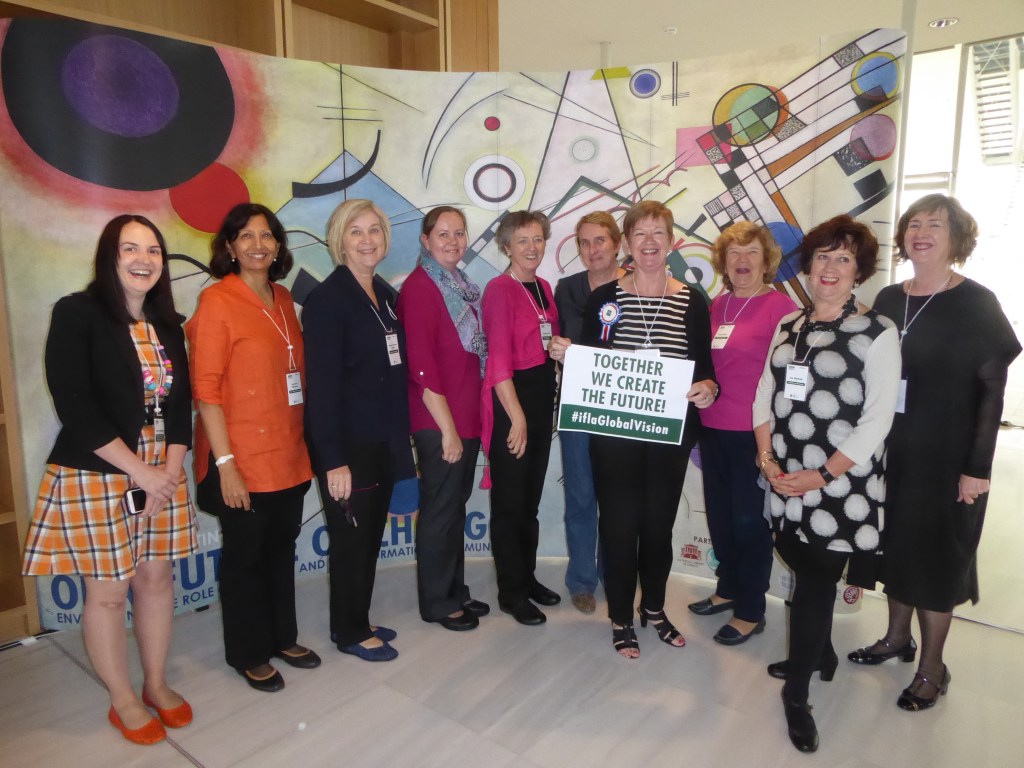
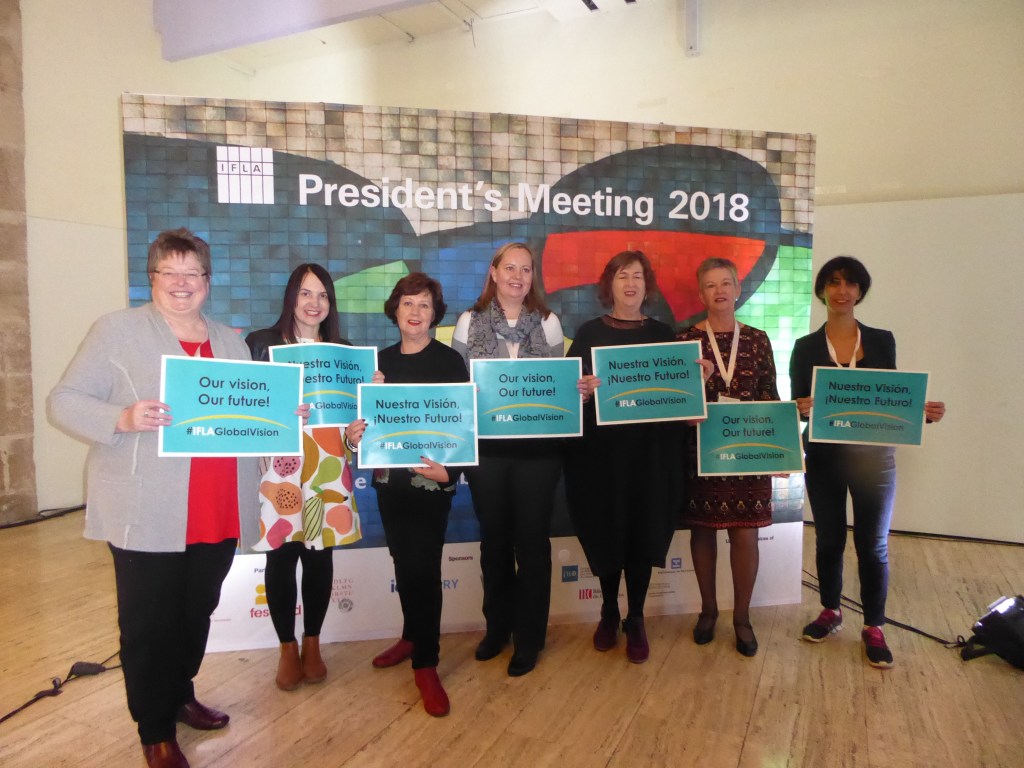
Team Australia in Barcelona 2018
This is the first President’s Meeting since 2019, a gap necessitated by COVID, and we are all pretty excited about it. I was fortunate enough to attend the 2017 (Athens) and 2018 (Barcelona) President’s Meetings but having it in your own country makes it so much more accessible (obligatory Team Australia shots from Athens and Barcelona above).
The ‘home advantage’ is a huge opportunity for Australian and New Zealand collegaues to be able to attend an IFLA event on home soil. This will be the first time that a major IFLA event has been held in Australia since the WLIC (World Library and Information Congress) in 1988! The 2010 WLIC was scheduled to be held in Brisbane but due to a number of factors, most notably the Global Financial Crisis, it was agreed not to proceed with the plan and instead WLIC was held in Gottenberg. Its a process etched in my memory as I wasALIA President at the time and had to front meetings where people were deeply disappointed. You could say I was not Miss Popularity!
I digress. The Summit Program has been curated and will be an exciting mix of keynotes, ignite talks and intercative sessions. Reading through the speaker biographies a few weeks ago I was overwhelmed by the depth of talent. A number of IFLA Professional Units have also seized the moment and are delivering associated events. For example Libraries for Children & Young Adults (C&YA), School Libraries (SCHOOL), Literacy & Reading (LITREAD), and Environment, Sustainability and Libraries (ENSULIB) Sections have developed a great three day program/tours Research and Effective Practices Seminar: Sustainable Reading at Every Age and Stage. I’m more than a bit biased as I have worked closely with these Units but it will be fabulous.
The Early bird rate finishes on 1 June so be quick! And for 5 reasons to attend watch this video.
In late 2023 I was honoured to be one of the 12 individuals selected to participate in the Measurement, evaluation, and demonstrating impact of library services train the trainer program developed by IFLA. I will be working with my colleague Premila Gamage from Sri Lanka to deliver this program across Asia Oceania.
The program provides a framework and tools to strengthen the capacity libraries in planning for impact through community engagement and demonstrating the difference libraries make to individuals and communities. The training aims to help public libraries better understand their changing communities through community assessment and needs identification, to plan activities that meet those needs and can make a difference, measure performance, and evaluate outcomes and impact – benefits for people and changes in communities.
Last but not least, the training has a component of evidence-based storytelling, providing a framework for telling compelling stories to demonstrate the contribution of libraries to sustainable development and beyond, and helping to ensure all stakeholders truly understand our value and impact.
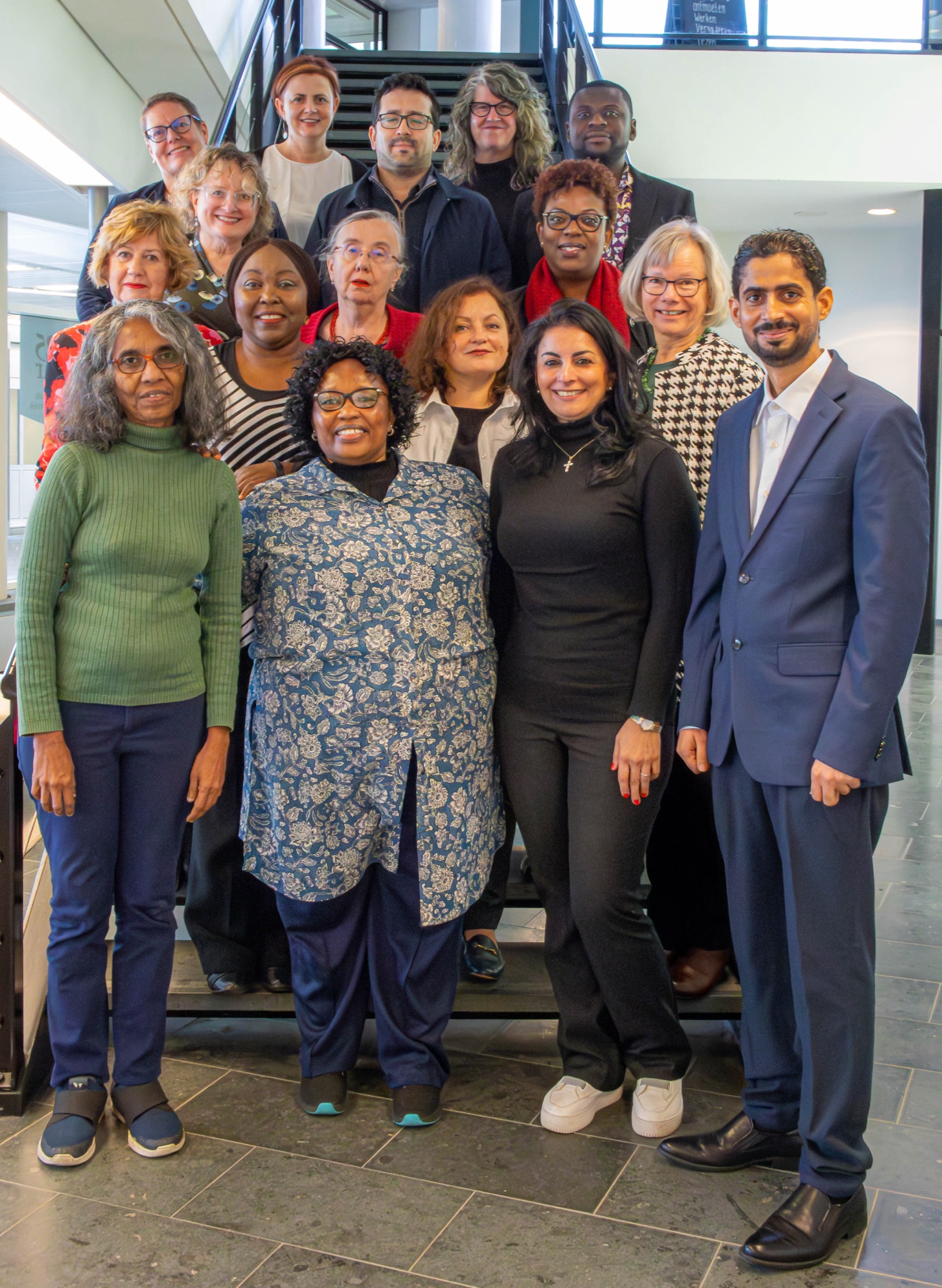
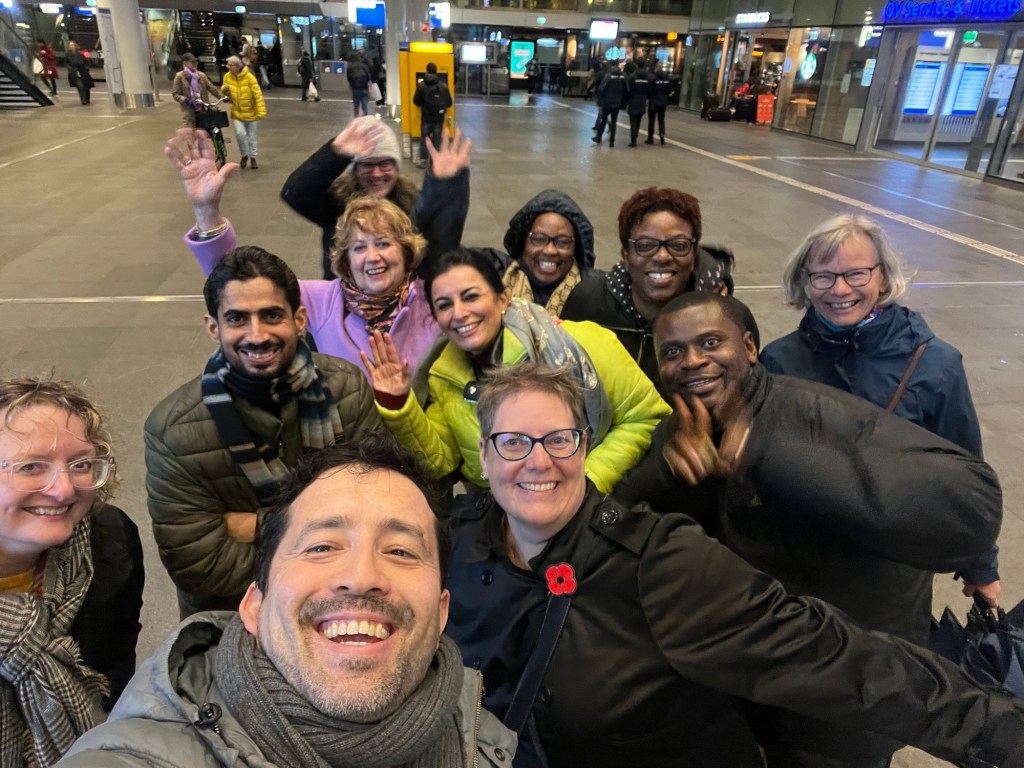
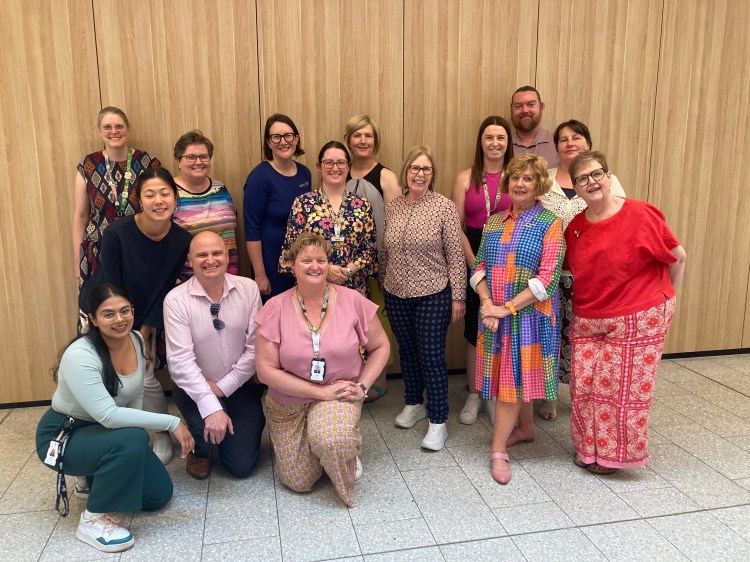
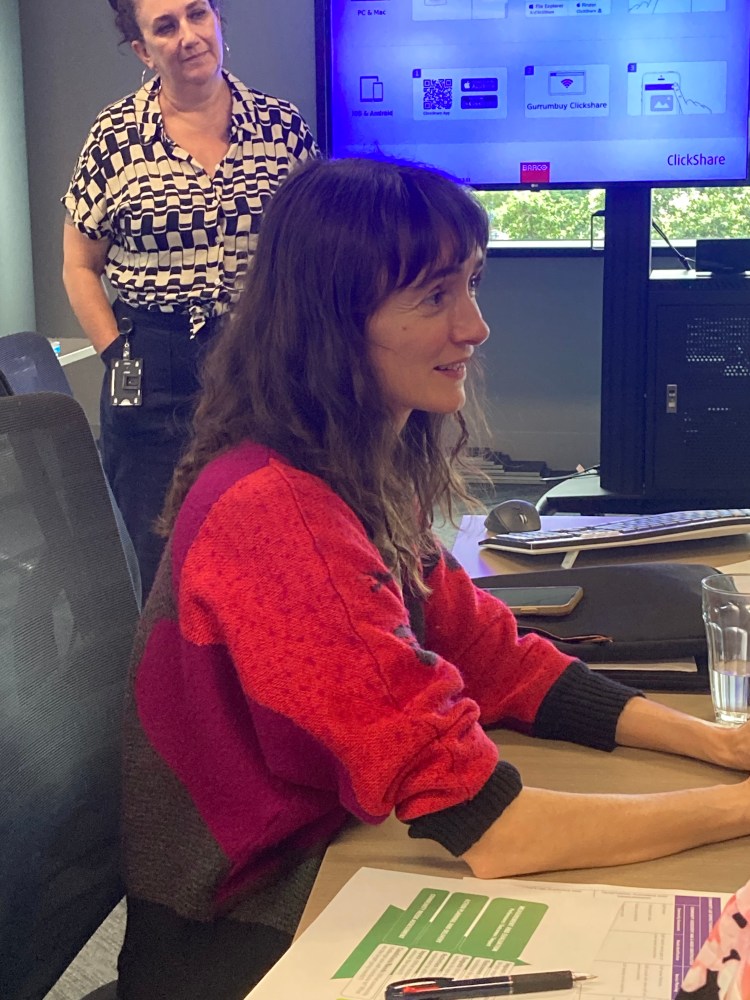
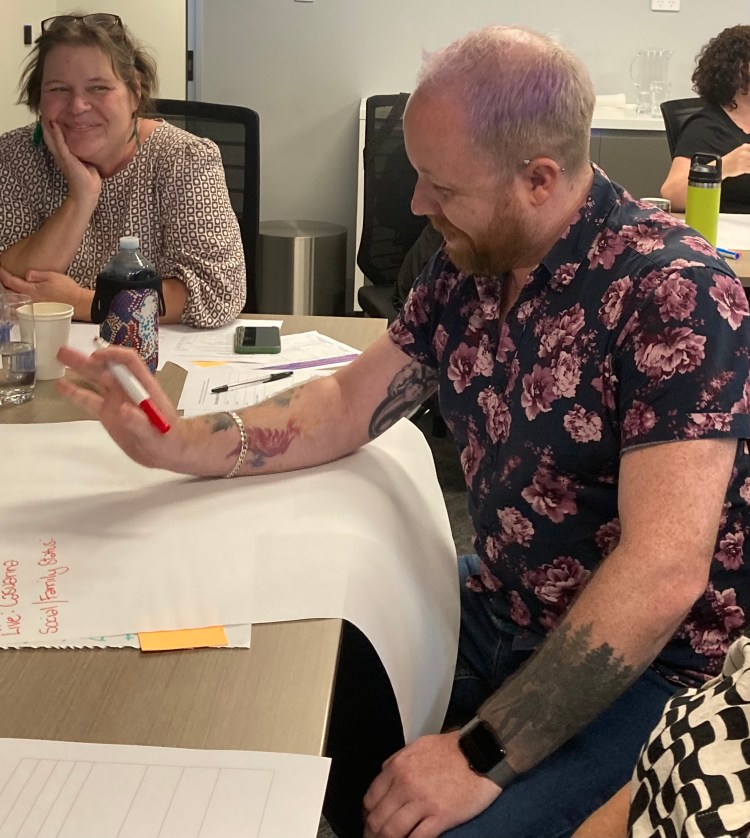
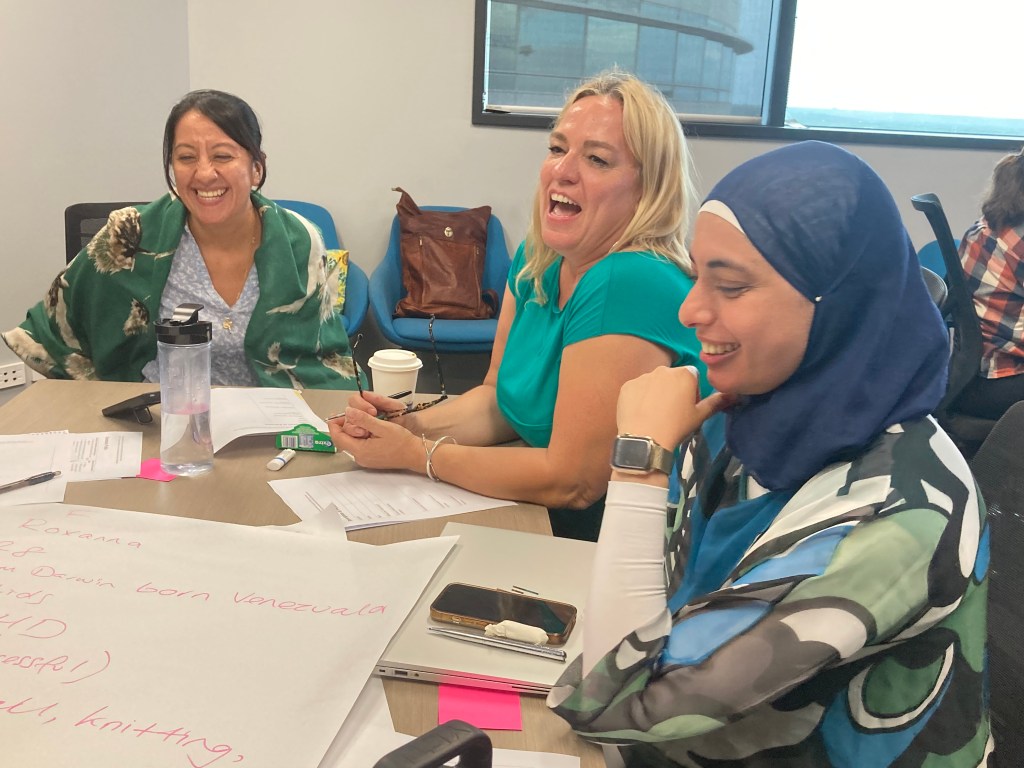
Over three days the team from Trinidad and Tobago, Chile, USA, Canada, Germany, Latvia, Oman, Ghana, Egypt, Kenya, Sri Lanka and Australia (me) came together to share experiences and work through and refine the training program. There was plenty of time for learning, but also for laughter!
I’m really looking forward to working with colleagues on rolling out this training which can be broken down into modules, if you’re interested please make contact.
Not damp, wet!
Final word, after spending a week in The Hague in November I can confirm that the rain there really is horizontal and omnipresent.
Last week, as Australia celebrated Book Week, ABC asked its Facebook followers a deceptively simple question:
“What did [the library] mean to you growing up?”
The question was prompted by something much less celebratory. As the ABC put it, some teachers say that “school libraries are quietly disappearing across the country.”
I responded:
The State Library of NSW’s current initiative, The Library That Made Me, highlights the importance of the school library in developing reading and information skills and a sense of belonging. So many people named their school library as the most influential in their lives (for me it was the library at New Lambton South Public School in suburban Newcastle).
The perilous state of school libraries across Australia is a matter of deep concern. If we want a smart society we need to equip our young people with the skills and resources to achieve their potential.
Libraries rock.
It was only afterwards that I realised just how familiar those thoughts were.
Seventeen years ago, in 2009, when I was President of the Australian Library and Information Association (ALIA), I wrote an editorial for incite about school libraries and teacher librarians.
I began by asking colleagues, family and friends:
“What do you remember about your school library?”
My most productive research method was the tried-and-true tearoom “vox pop” formula. Reminiscences from Tasmania, the Gold Coast, Sydney, country NSW and Kentucky, USA, all told the same story of a warm, supportive atmosphere that encouraged learning and the joy of reading.
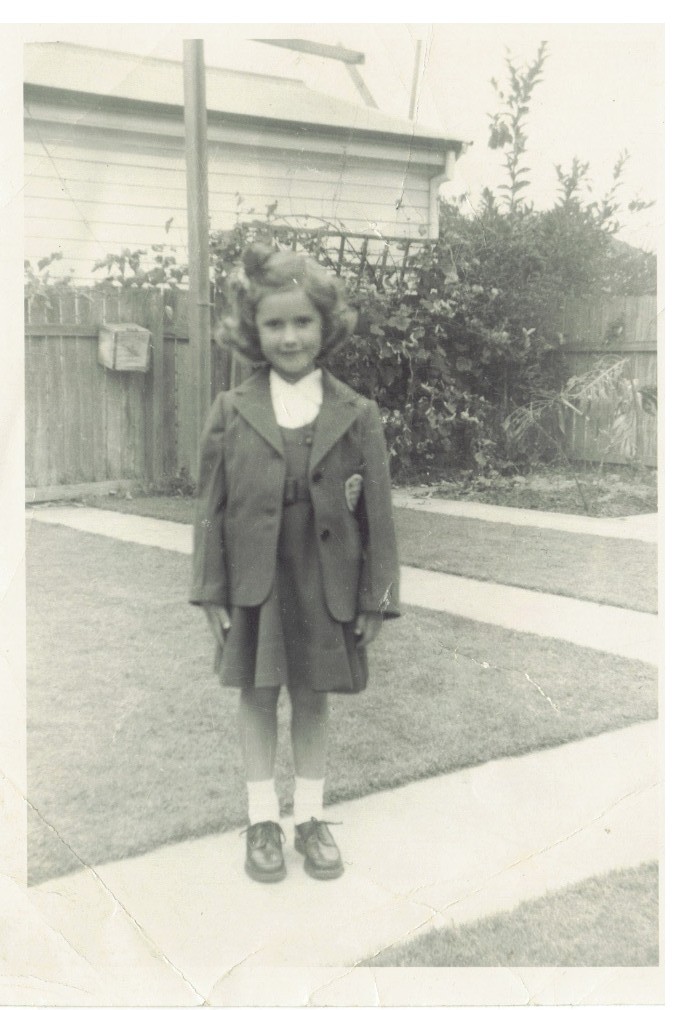
For me, there has never been much doubt about the library that made me. Although my family went to the public library every week, it was the school library that was central to the development of my love of reading and my independent lifelong learning and decision-making skills.
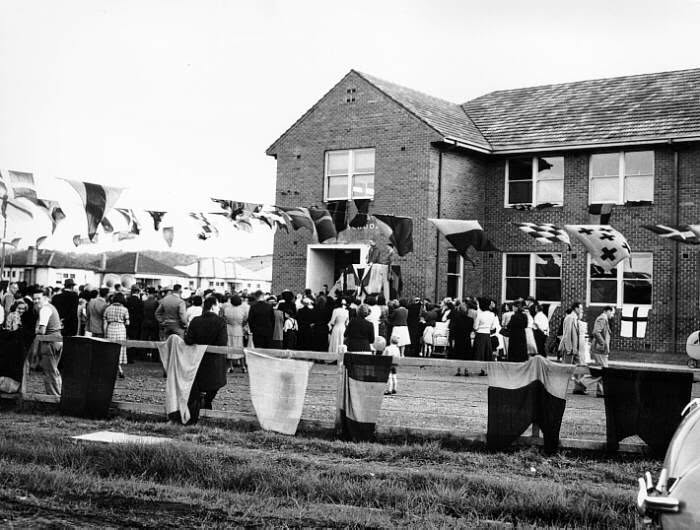
New Lambton South Public School on opening day, 1 May 1950. The Library is on the first floor above the entrance portico.
In reality, I can remember little about my time at primary school other than the memory of the library and the excitement and promise that it held.
Some years ago, a friend and colleague from my days at Wollongong City Library, Rosemary Worley, and I made a trip back to our former school in Newcastle expressly to visit the library. We were overwhelmed by the smallness of the space, especially when we were told that it had been expanded since “our time”! That this small space had such an influence on both our thinking is testament to the passion of the staff.
When I wrote my 2009 editorial, I contacted New Lambton South to see if they could provide me with the name of the teacher librarian, or librarians, who had played such an important role in my formative years. Unfortunately, within my tight timeframe, they were unable to assist.
So I wrote:
“If you were the teacher librarian at New Lambton South Public School between 1960 and 1965, a huge thank you.”
That thank you still stands.
I’m also a big fan of the bumper sticker “If you can read this, thank a teacher.” In 2009 I wondered whether there shouldn’t be a companion sticker along the lines of:
“If you enjoy reading, and know how to find information, thank a teacher librarian.”
I still think there should be.
My 2009 editorial wasn’t simply a nostalgic reflection. I was concerned about what the research was telling us about Australian school libraries.
Two studies released that year found that 50 per cent of the Australian school libraries surveyed were trying to do their job on an annual budget of less than $10,000, while teacher librarians were under pressure to spend more and more time outside the school library.
At the time I wrote:
Teacher librarians and school libraries can be the catalyst for improving reading skills and information literacy, and these in turn are the building blocks of a thriving national economy and culture.
Seventeen years later, the evidence supporting the value of school libraries has grown stronger. Unfortunately, the case still needs to be made.
The 2025 Australian School Library Survey, with responses from more than 1,000 schools, found that 43 per cent of respondents considered their school library budget inadequate and 56 per cent believed their library was inadequately staffed. A quarter reported that staffing had decreased in the previous year. Contemporary research also continues to demonstrate the positive contribution that well-resourced, professionally led school libraries make to student literacy, learning and wellbeing.
The figures may have changed since 2009, but the fundamental issue has not. If we want a smart, informed society, we need to equip our young people with the skills and resources to achieve their potential.
There is another rather wonderful symmetry in revisiting my 2009 editorial.
Towards the end of it I wrote:
“In early October … I will be attending the Australian School Library Association Conference in Perth. I look forward to meeting with colleagues and discussing ways in which we can work together to ensure the vigour of the school library.”
Later this month, I will once again attend an Australian School Library Association Conference, this time in Hobart, where I will be facilitating a session on banned books. The circumstances may have changed, but some of the fundamental questions have not.
How do we ensure that young people have access to rich and diverse collections? How do we support their freedom to read and explore ideas? How do we give them the skills to find, assess and understand information in an increasingly complex information environment? And how do we ensure that school libraries and the people who work in them have the resources and recognition they need to do all of this?
As partners in the education community, teacher librarians are in a unique and trusted position to maximise the opportunities for their students.
I wrote that in 2009.
I wouldn’t change it today.
Perhaps the afterglow of Book Week is an especially appropriate time to reflect on all of this, and on the library that made me.
My school library fostered my lifelong love of reading. It helped give me the information skills that have served me throughout my life. But looking back, I realise there was another gift as well: it fostered my appreciation of Australian authors and Australian stories. The library didn’t simply teach me that reading was something I could do. It taught me that reading was something I could love. It opened doors into worlds beyond my own while introducing me to stories from my own country.
That is part of the magic of Book Week. It celebrates books, authors and illustrators, but it also reminds us of the people and places that bring children and books together.
More than sixty years later, I still don’t know the name of the teacher librarian who helped make such a difference to a little girl at New Lambton South Public School.
I wish I did.
But I remember the library.
It was the library that made me.
Postscript
Since writing this reflection, news has emerged that Catholic Schools Maitland-Newcastle is consulting on proposed staffing changes for 2027 that would see teacher librarian positions cut across its 58 schools, with teacher librarians redeployed to other curriculum areas and school libraries likely to be managed by library assistants or student support officers.
There is a particular poignancy in this for me. Newcastle and the Hunter is where my own story began, where an unknown teacher librarian at New Lambton South Public School helped foster my love of reading, my appreciation of Australian authors and, importantly, the information skills that have served me throughout my life.
Catholic Schools Maitland-Newcastle has said that the proposed changes are about long-term financial sustainability and strengthening educational outcomes, and that school libraries themselves will remain. But a library without a teacher librarian is not simply the same educational service delivered by someone with a different job title.
Teacher librarians bring together the skills of educators and information professionals. At a time when our young people are navigating AI, misinformation and an increasingly complex information environment, those skills surely matter more, not less.
There is an uncomfortable irony that Catholic Schools Maitland-Newcastle’s own professional learning program for teacher librarians this year includes “Building Information Fluency” and “Media Literacy in the era of AI”, precisely the capabilities our young people need.
In 2009 I wrote that teacher librarians were “in a unique and trusted position to maximise the opportunities for their students.”
Seventeen years later, and more than sixty years after a teacher librarian in Newcastle helped shape my own life, I find myself needing to say it again.
If you enjoy reading, and know how to find information, thank a teacher librarian.
During November I covered the length (if not the breadth) of Australia delivering IFLA’s Measurement, Evaluating and Demonstrating Impact of Library Services training. It was a delight to spend time discussing how we can better tell our story, and the resources we need to ensure that it is effective. Together we were able to highlight areas for national collaboration to make our case stronger. The one thing that all sessions had in common was enthusiastic colleagues, lots of laughter and hot, steamy weather.
Stop One
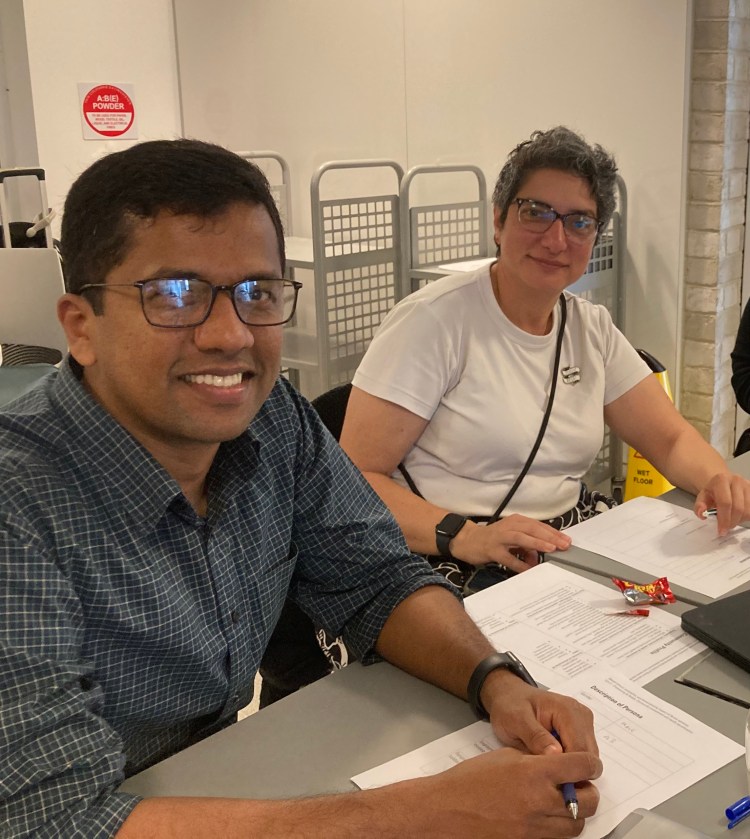
Participants in Canberra
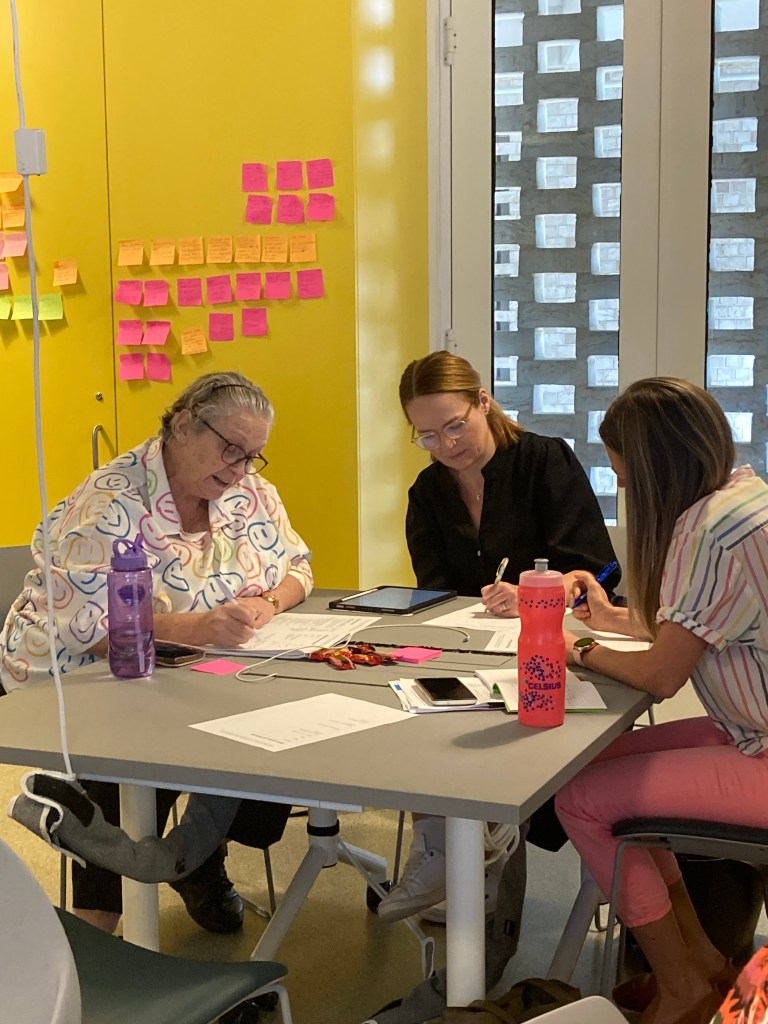
Early November and the first stop was Australia’s capital city, Canberra, on Ngunnawal and Ngambri country. The training cohort comprised staff from Libraries ACT (Australian Capital Territory) together with Library Managers from surrounding areas in New South Wales. Participants drew inspiration from each other, and the cross-border pollination provided opportunities for future collaboration. We worked on a two-day program focussing on the five major components.
Getting Started. Evaluating and demonstrating value and impact of library services
Community & Needs. Community assessment and needs identification
Outputs & Performance. Monitoring outputs and measuring performance
Outcomes & Impact: Outcomes evaluation and impact of library services
Evidence-based Storytelling: Using data in storytelling to demonstrate impact
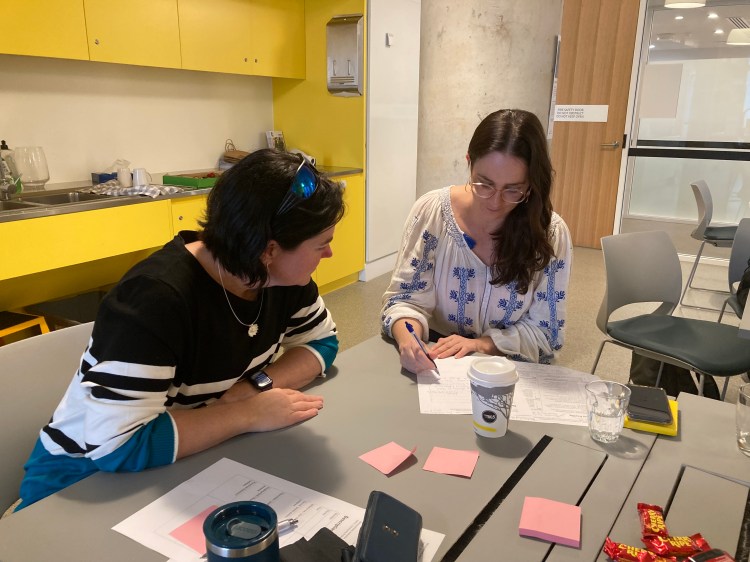
The personas developed by the groups early in the program, and the services that were created to meet their needs continued to finesse over the time we were together and some of them may become more than an idea on paper!
Stop Two
Next stop was SWITCH, the annual New South Wales Public Libraries Association’s conference which this year was held at the beautiful coastal city of Coffs Harbour on Gumbaynggirr Country. To complement the conference program I curated a version of the training with a focus on telling stories for advocacy. The participants were a delightful mix of highly experienced and new professionals which resulted in a combination of mentoring and fresh perspectives. They say that practice makes perfect, and we reworked our stories so that they were ready to use back in the workplace.
It was an amazing workshop – a major highlight of SWITCH for me
Stop Three
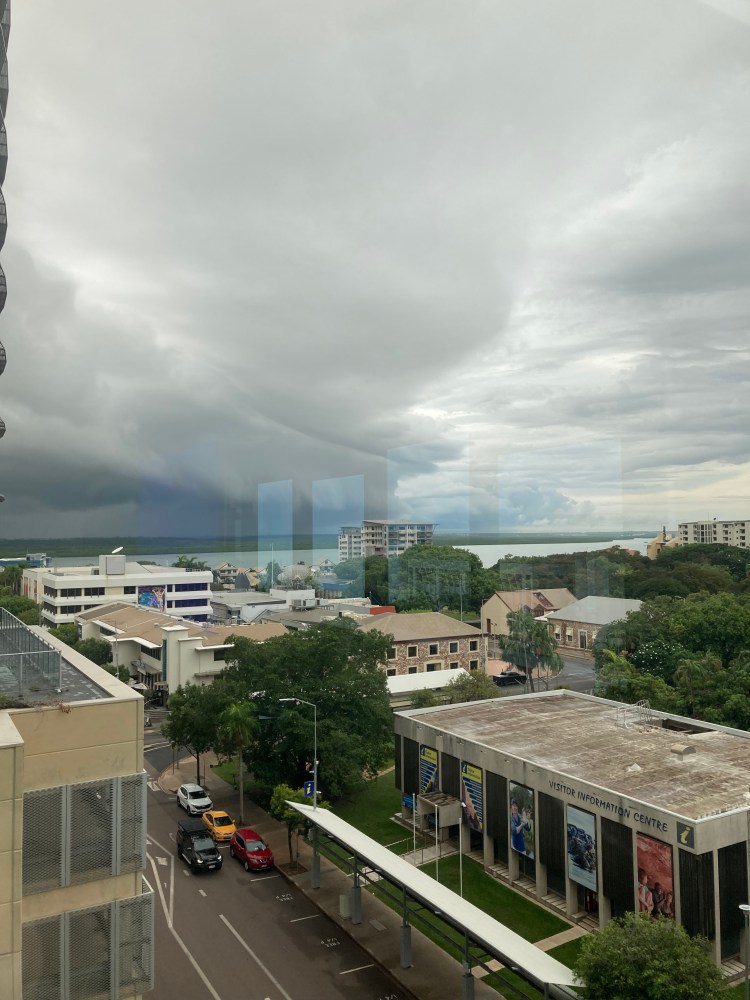
Storm clouds over Darwin
As November drew to a close I flew to Darwin, capital of the Northern Territory on Larrakia country. Participants were drawn from public and special libraries from centres across the Territory. We were also joined by representative from the Australian Library and Information Association (ALIA) and National and State Libraries Australasia (NSLA) and the diversity of participants really added to the richness of our discussions. From our vantage point high above the city we watched as the tropical storms passed through at the beginning of the wet season.
Without a doubt this was the noisiest group I worked with, and the Northern Territory Police, who were working in an adjacent room, suggested we should practice a bit of ‘sushhh’, a stereotype which only made us laugh louder.
An added bonus of the Darwin visit was the ability to be present at the ALIA Northern Territory Excellence Award Night where the winner was Joanne Scott from Taminmin Community Library. Not only was Jo one of the participants at the IFLA training, in 2023/24 she was my mentee in the ALIA Mentoring Scheme. I felt like a proud mother!
Next Steps
Landing in Hobart
By the 30 November when I caught the ‘red eye’ from Darwin back to Hobart I had worked with 49 LIS colleagues from 27 library services/associations across four states and territories sharing the concept of demonstrating impact. I had travelled 13,703 km, and used most forms of transport. Touching down in Hobart I was both glad to be home and looking forward to the opportunities that await in 2025.
Here’s a quick video recap of November
A Basecamp account has been established for each of the training groups where the resources can be shared and ongoing conversations held.
I will be working with the Queensland Public Libraries Association in March and Public Libraries of New Zealand in April next year. If you’re interested in exploring IFLA’s Measurement, Evaluating and Demonstrating Impact of Library Services Training get in contact with the trainers in your region.
And it’s a wrap on another Children’s Book Week. My social media feeds won’t be half as colourful without the creative interpretations of book titles by colleagues, family and friends.
I have loved the Children’s Book Council of Australia’s special week for as long as I can remember – certainly back to primary school at New Lambton South where there would be a special display of the winning titles. You could put your name on the list to read them and I was always eager to do so. When I look at the winners from those years I’m taken back to a time of finding a quite place to curl up and read and understand that ‘Reading [is indeed] magic ‘ – this year’s theme.
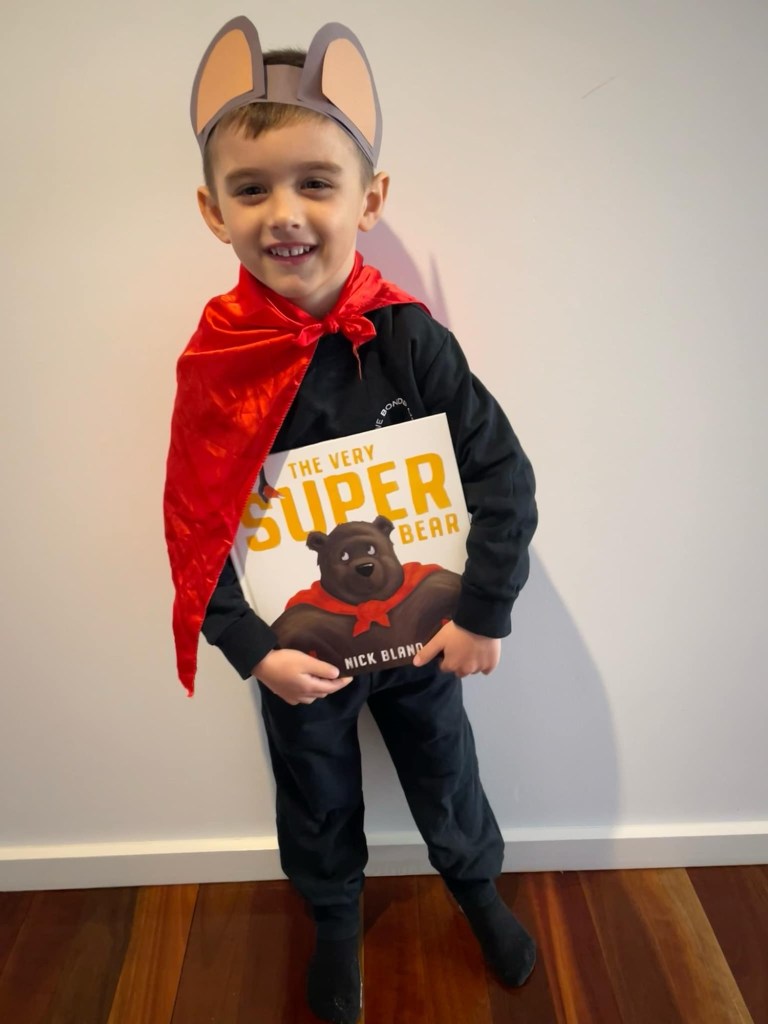
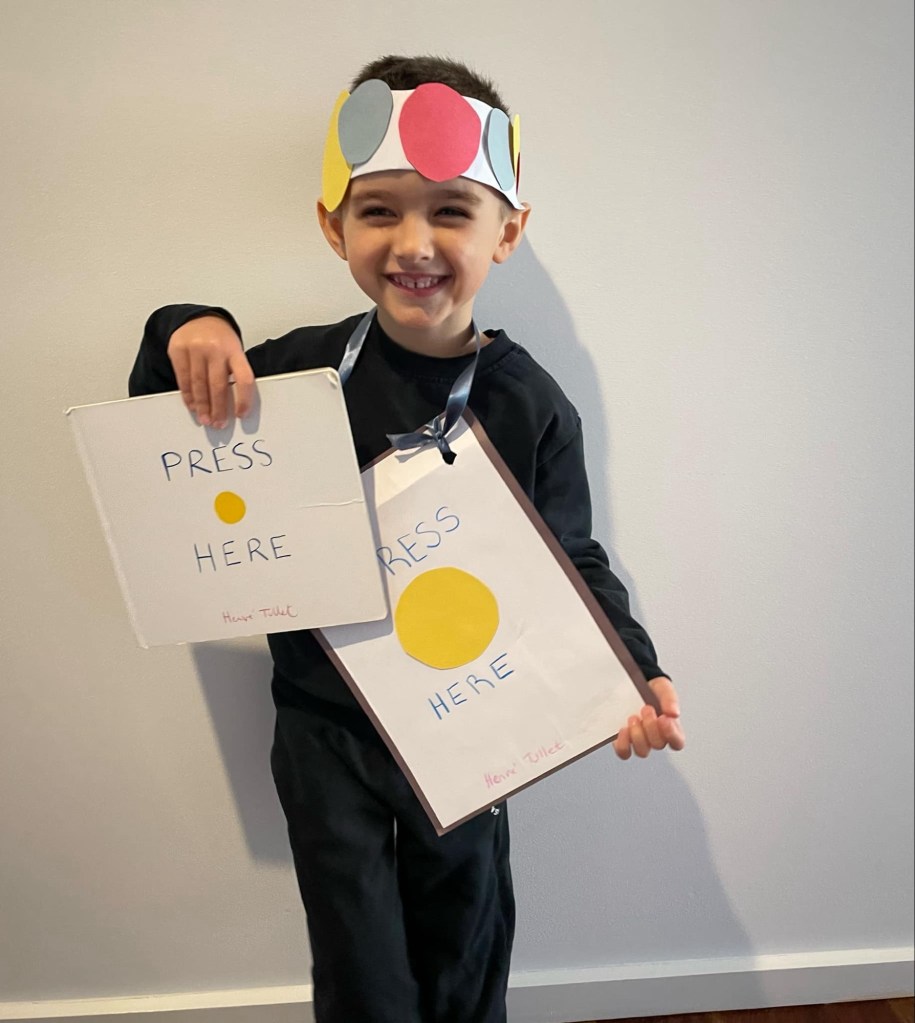
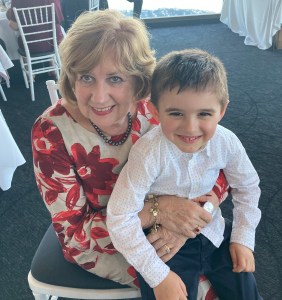
Across the nation frazzled parents have been busy with the cardboard, crepe paper and glue in readiness for the Book Week Parade. In my family our Teddy has been strutting his stuff. He’s still at pre-school and as he goes for three days he needed three costumes ( I suspect that’s Teddy’s rules not the preschool’s!). See if you can guess the titles! The last two ( made by his creative Mum) didn’t make the cut. Kids can be cruel!
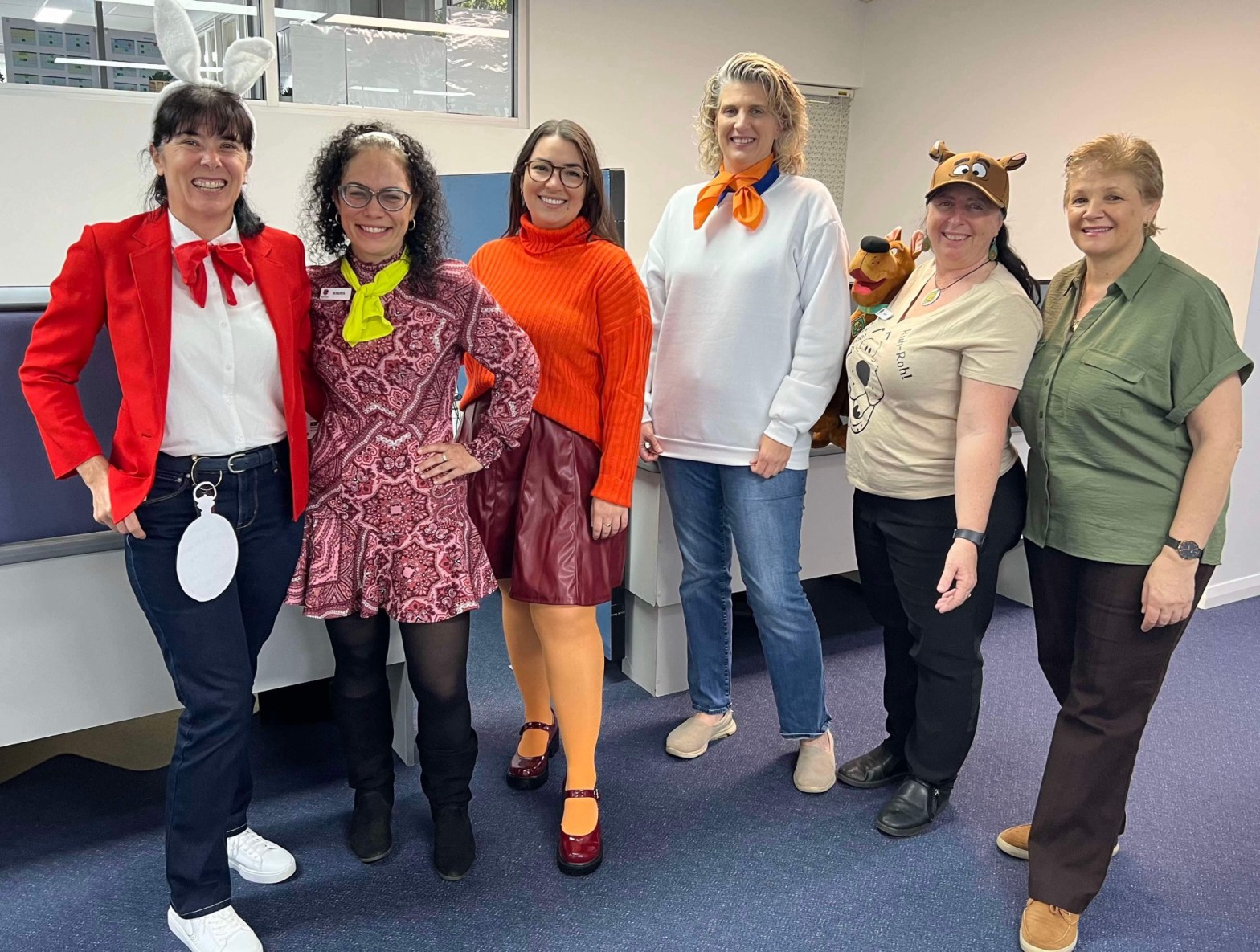
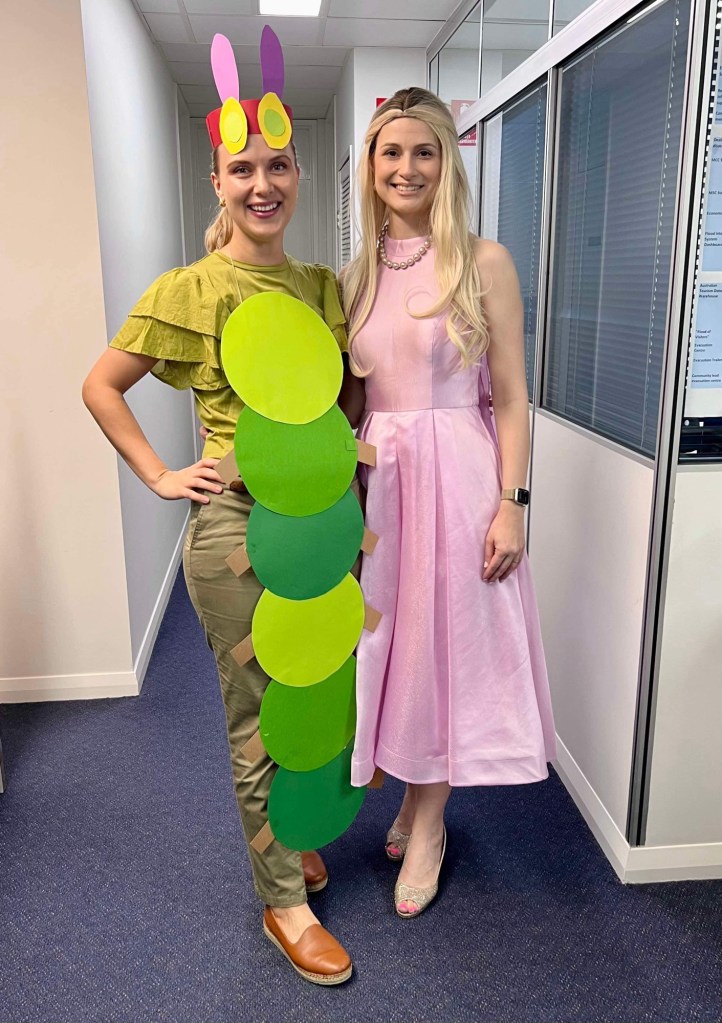
One of the trends this year seemed to be the overwhelming number of library staff who went over the top in the dress up stakes. I’m not sure who was having more fun. I particularly loved Liverpool City Library’s approach, the more so because I recently finished a project with them. It was fun to reconcile the professional Elysa with the Queen of Hearts!
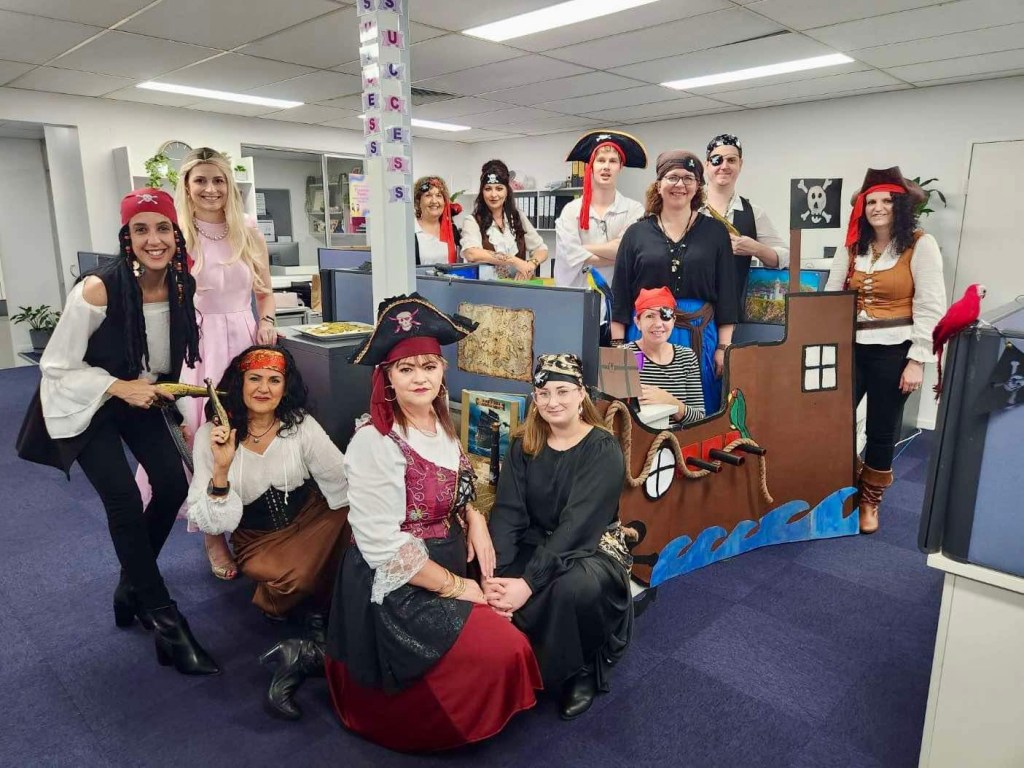
But it’s not just library’s who have taken up the gauntlet. Yesterday I had a message from my friend, the wonderful Shellie Buckle, Manager Customer and Community Services at Mareeba Shire Council in far North Queensland. She included photos of her team who had taken Book Week on board and dressed accordingly- way to go! Now it must be admitted that Shellie is also a librarian and her passion for Book Week is in her DNA, but the joy on the faces of team Mareeba as they released the child within was obvious, and the modelling of reading behaviour that they ( and every other costumed adult) sent out to the children and young people in their lives is critical.
When I spoke about finding a place to curl up and read as a kid it wasn’t hard. My Mum & Dad ( Else & Jack) were voracious readers and modelled the very best in reading behaviour. My Mum also went above and beyond in creating costumes and I’m afraid that I, like Mum’s great-grandson Teddy, may have eschewed her efforts. Sorry Else!
Now to put a reservation in for the winning books!
I seem to have spent a significant proportion of my life over the past few weeks working through survey results. Not that I’m complaining, I really do enjoy the whole process from the design through to the evaluation. Must admit nothing quite beats the first couple of ‘pings’ which indicates that someone has responded, I always want to go back to them and say ‘gold star for being the first’ – and sometimes I do 🙂
Recently I did an Audience Survey for Orange Civic Theatre which will add value to consultations we did with audiences and key stakeholders ( key hirers) last year. I always love working with OTC and by introducting some new questions we were able to add value to the information we already have.
I enjoy working with clients who have a regular survey/review process built into their operation. Earlier in the year I worked with Liverpool City Library who undertake an annual survey each year. Great to be able to track the changing responses to questions and even better to have the raw data – particularly the free text areas which can be gold. Nothing captures the attention of a decison maker more than a direct quote from one of their consituents.
I am currently working with another Library service in NSW who have made seeking feedback about their collections and programs core to their business. Each one is carefully crafted and targeted at a specific audience – this approach also helps in avoiding the dreaded survey fatigue which can so easily creep in when you have a one size fits all approach.
Everyone like so be asked for their opinion so give them the opportunity and remember to follow through with feedback through newsletters, social media etc. Assure them that their views do matter.
I don’t know about you but before I travel I like to get a sense of the place I’m visiting by reading about it. For me ‘reading about’ isn’t sitting down with the relevant Lonely Planet guide ( though I will refer to it), rather it’s a matter of immersing myself in a story set in my destination. I find it brings a city/country to life and allows for the serendipity of discovering a place/event and being able to put it into perspective.
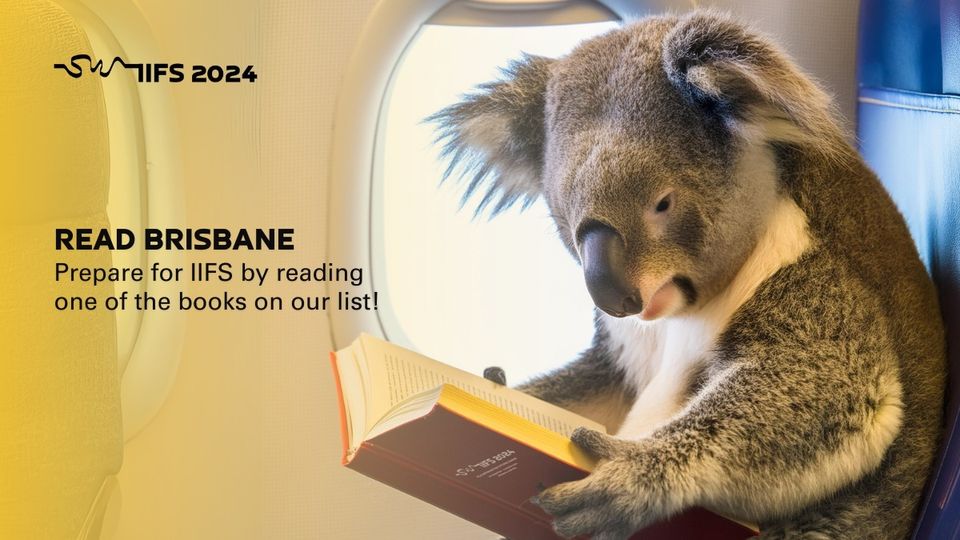
READING Brisbane!
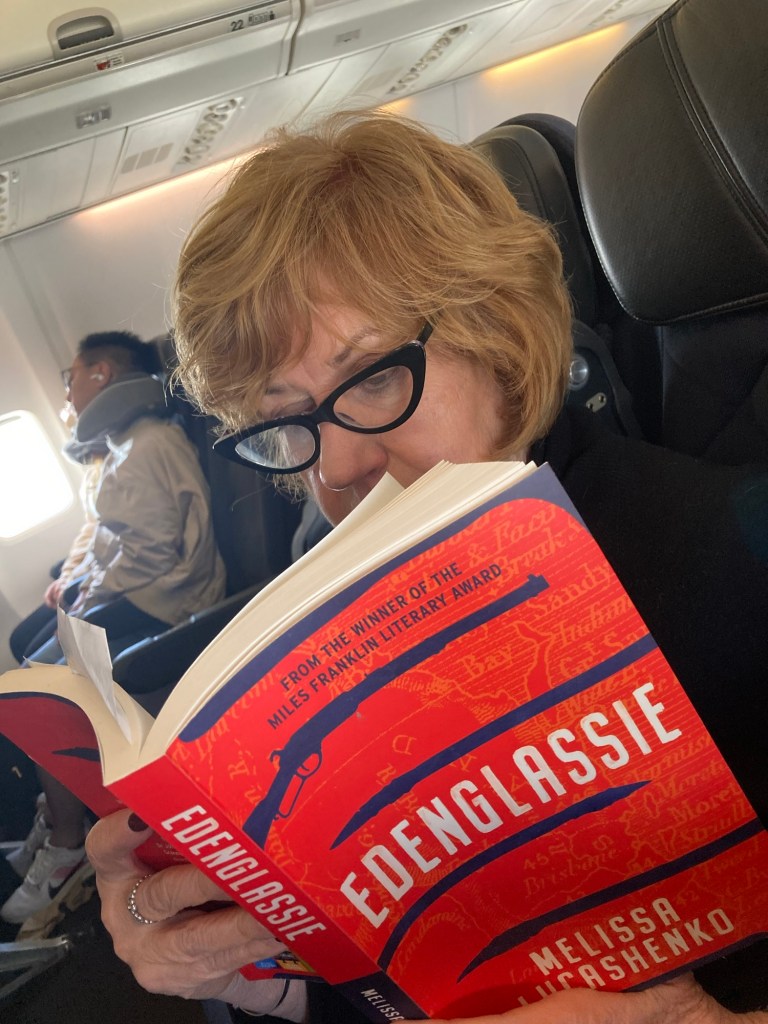
Based on this reckoning we have introduced an initiative called ‘READ Brisbane’ into the IFLA Information Futures Summit where we are encouraging delegates to read/listen to a story set in the river city before they come. The list keeps expanding as more and more people get on board and additional suggestions are received. All we ask is that participants post a photo of themselves reading on social media and add the hashtag #IFLAREADBrisbane.
We were delighted to receive this message from library elder Winston Tabb last week:
I’ve just finished two of the books on the list sent to Info Summit participants. What a great idea this was. It seems so obvious a complement to our conferences I’m surprised no one has done it before – or maybe they did and I was too busy to pay attention.
We were pretty chuffed.
As I write I’m heading to Kiama NSW to work with the Kiama Library on developing their strategic plan. In keeping with my philosophy I have a copy of Nadia Wheatley’s The life and myth of Charmian Clift on my iPad. Born and raised in Kiama, Charmian was probably the first author I ever heard speak when she visited Wollongong High School of which she was a former, and I was a then. current student. It was in the late 60s. I found her fascinating, and always remember her description of catching the train from Kiama to Wollongong to attend school whenever I make that journey (as I will in a couple of hours).
They’re calling my flight. Two hours of uninterrupted reading ahead.
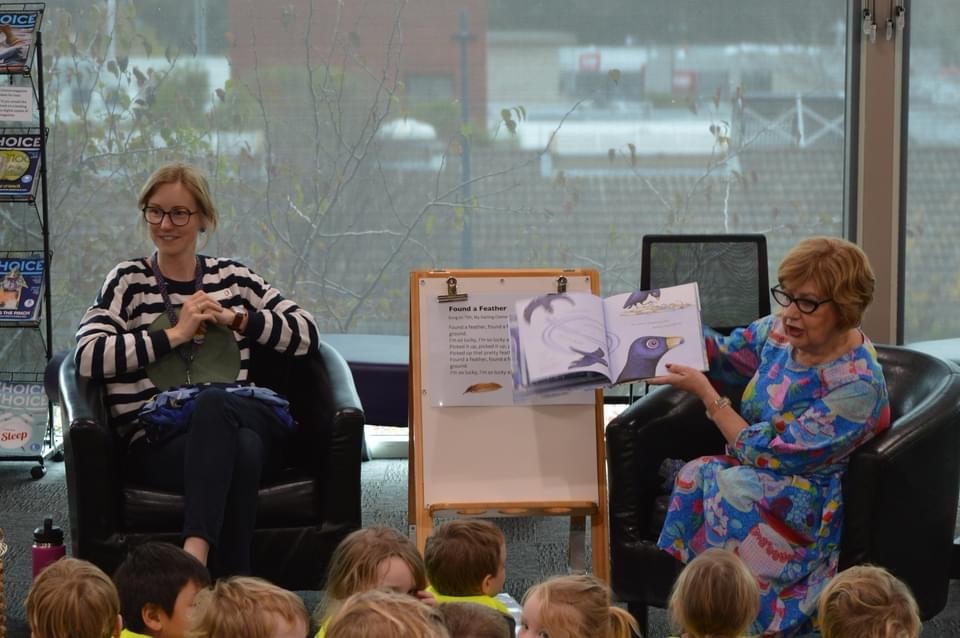
In May I was invited to be a guest reader at the National Simultaneous Story (NSS) time event held at Kingston Library which is our ‘local’. This was a first! Over the years I’ve participated in many an NSS as audience member, crowd control, and the odd non-speaking, acting role, but being the star attraction! I was more than a little chuffed.
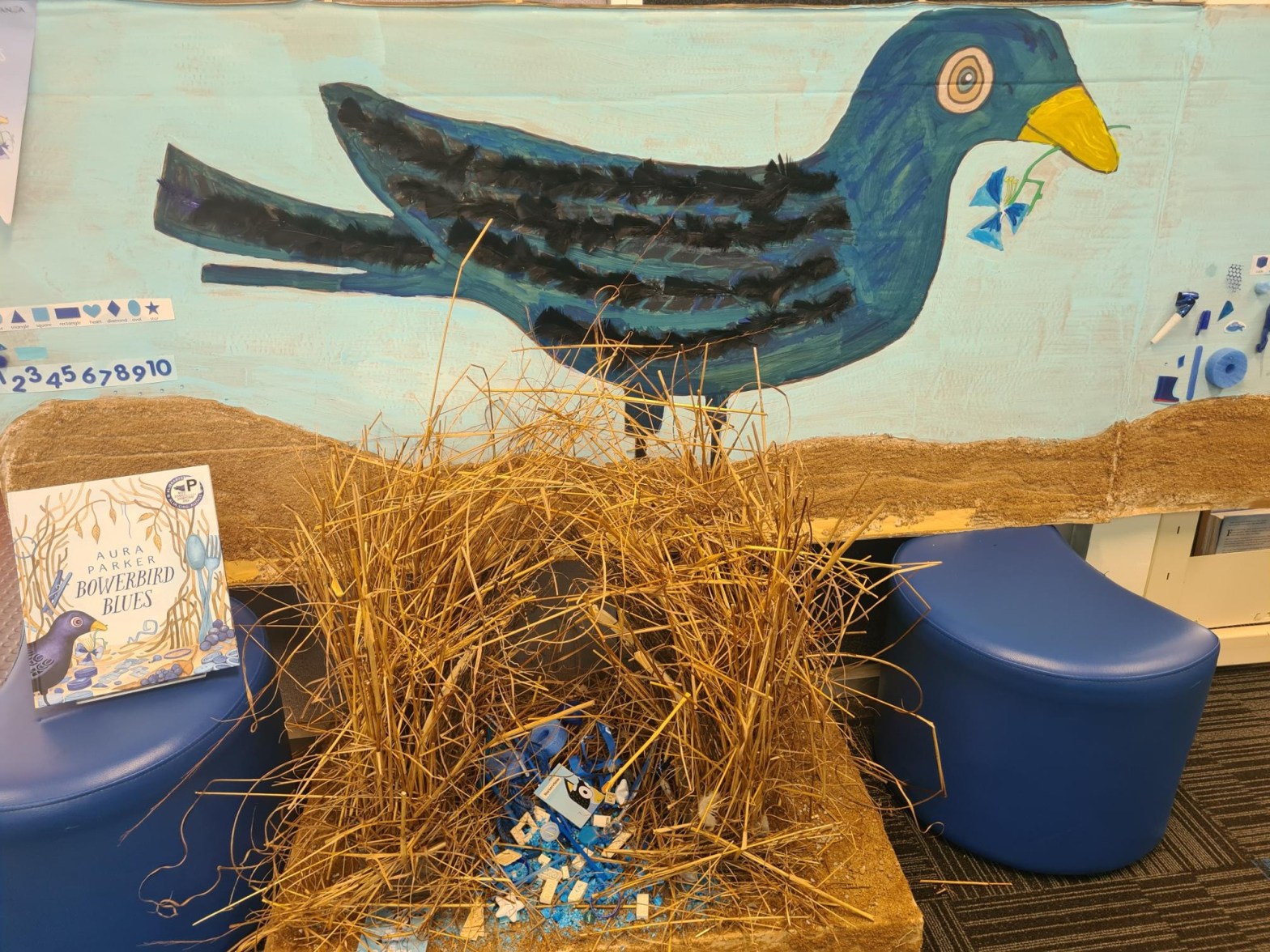
This year’s book was Bowerbird Blues by Aura Parker, and because attention to detail is important, I immediately went into ‘what will I wear mode’. Then the reality that I have never been a children’s librarian, and have had limited practice with the storytelling gig hit, and an inventory of what blue outfits I had in my wardrobe paled into insignificance. I needed help; I turned to Karen!
Karen Smith is one of my dearest friends – she’s also a cousin as we discovered when we started doing our respective family histories back in the day. Karen was a brilliant children’s librarian before she went on to become an inspirational library educator – so who else would I ask. Unfortunately family can be cruel, and she broke down laughing when I called for advice before accepting the challenge. My subsequent ferry trips were spent reading out loud ( much to the interest of those in nearby cars).
22 May dawned bright, and I dressed in my bright blue best and headed to the Library. I looked at smiling faces and hoped that it would be OK. I sang the songs, I did the dances it was fun – but I was totally upstaged by Jeremy, one of the Kingston team, who read another book The Bowerbird by Catherine Rayner which was absolutely hilarious. Totally recommend it!
Meanwhile 4,448.9 km away in Humpty Doo my friend Jo Scott was conducting NSS in an outdoor aviary. Did you know that there is a Northern Territory Bower Bird? I didn’t until Jo and I were talking about what we were doing as part of one of our ALIA mentoring sessions. Our journey together as mentor (me)/mentee (Jo) had a sense of the Bowerbird about it. Our conversations ranged widely and we would each pick gems from each other’s ideas. Some great things happening in the NT!
I was delighted to be given my own copy of Bowerbird Blues by Libraries Tasmania. While it was tempting to keep it as a reminder of my 5 minutes of fame, instead I decided to share it with our much-loved Teddy. When he unwrapped it he immediately clocked that it was ‘that book from the library’!
Congratulations ALIA on yet another successful NSS, and for non-Australian readers an explanation this is a day when across Australia and New Zealand libraries, schools, playgroups come together at the same time to read the same book. Magic.
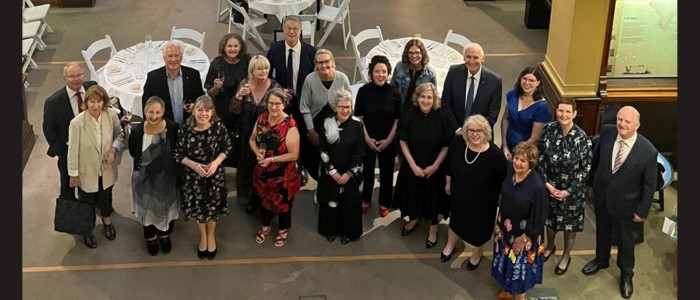
Last week I was honoured to be part of the celebrations to mark celebration 50 years of National and State Libraries Australasia (NSLA). I attended in my my role as Chair of the Tasmanian Library Advisory Board (TLAB) at an event that took place in the glorious Mortlock Chamber at State Library of South Australia. Earlier in the day we had been given the opportunity to see some of the Library’s amazing archival collections. Always a treat.
National and State Libraries Australasia (NSLA) is an incorporated association comprising the national, state and territory libraries of Australia and New Zealand with the constitutional purpose of bringing together the knowledge and expertise of the ten member libraries in order to build, manage and provide access to library collections and services that reflect the diversity of the communities they serve. Each member library is represented on NSLA’s board by its chief executive, state librarian, or director-general. The Chair of the board is nominated by vote for a two-year term. This was the last event for outgoing chair Vicki McDonald (Sate Library of Queensland). Sue McKerracher (Libraries Tasmania) will become Chair in 2024.
The inaugural meeting of what was then called the State Librarians Council was held at the State Library of Victoria on 30 March 1973. Its worth looking at the time line on the NSLA website to track the initiatives over the years. As someone who has been in the library world for those 50 years I did a bit of ‘remember that!’. Many, many successes.
In the interconnected library community it was also a joy to catch up with friends and colleagues from across Australia and New Zealand and to meet up with colleagues who have been newly appointed to positions in the NSLA family; Catherine Clark CEO and State Librarian, State Library of Western Australia and Caroline Butler-Bowden who commenced as the State Librarian and the State Library of New South Wales the previous week ( Caroline came to SWITCH on day two of her new job- talk about baptism by fire!).
Happy Birthday NSLA and may you have many more.
Image credit: Mark Beatty, National Library of New Zealand from NSLA web site
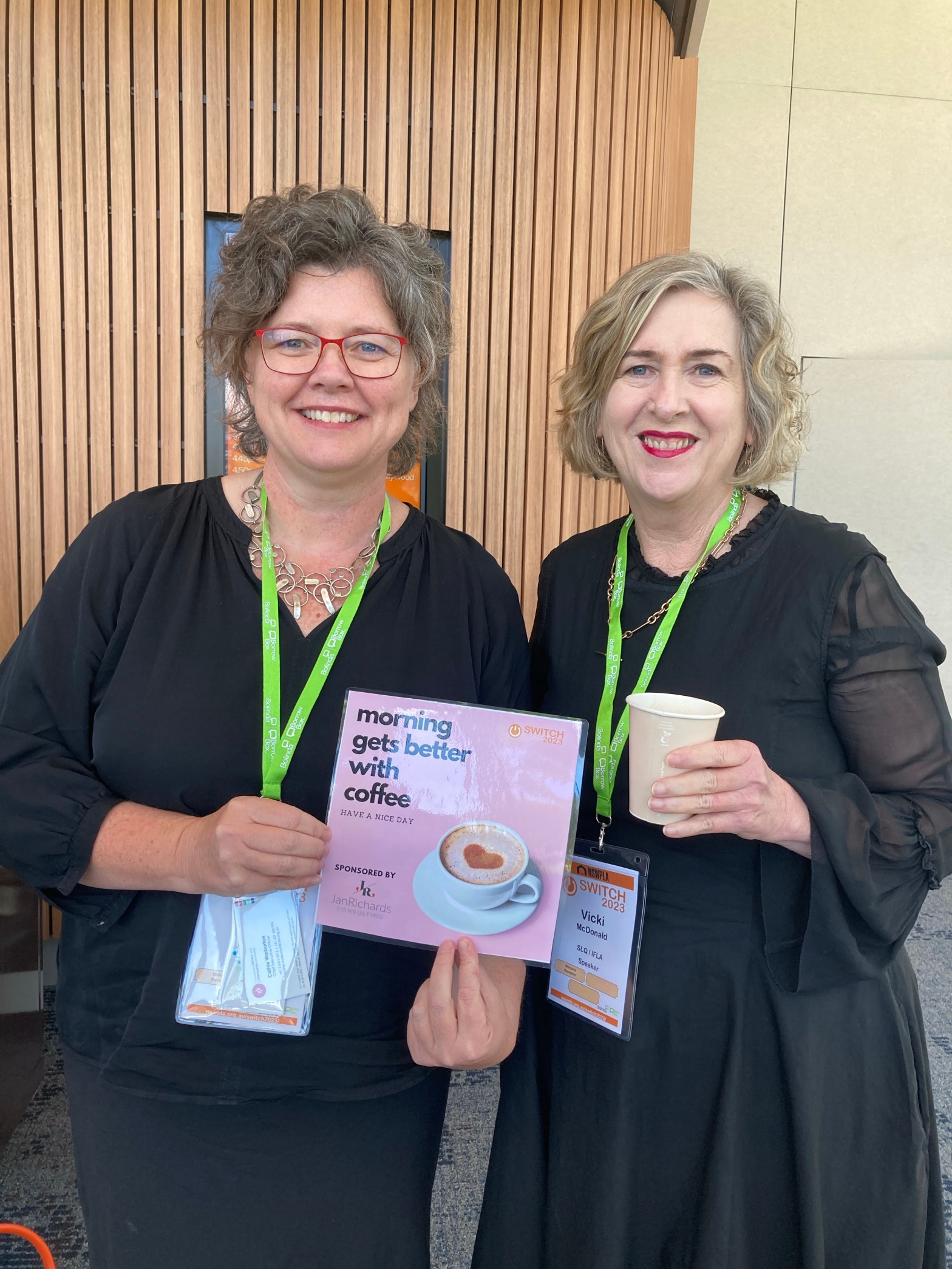
It is widely acknowledged that the success of any conference is judged not only on the robustness of the program, but also on the quality of the catering. Based on this logic I jumped at the chance to be the coffee sponsor at the 2023 NSW Public Libraries Association SWITCH Conference which was held earlier this week. SWITCH and it’s predecessors has been an integral part of my life since 1994 and since moving to consultancy it’s been an honour to continue to be involved.
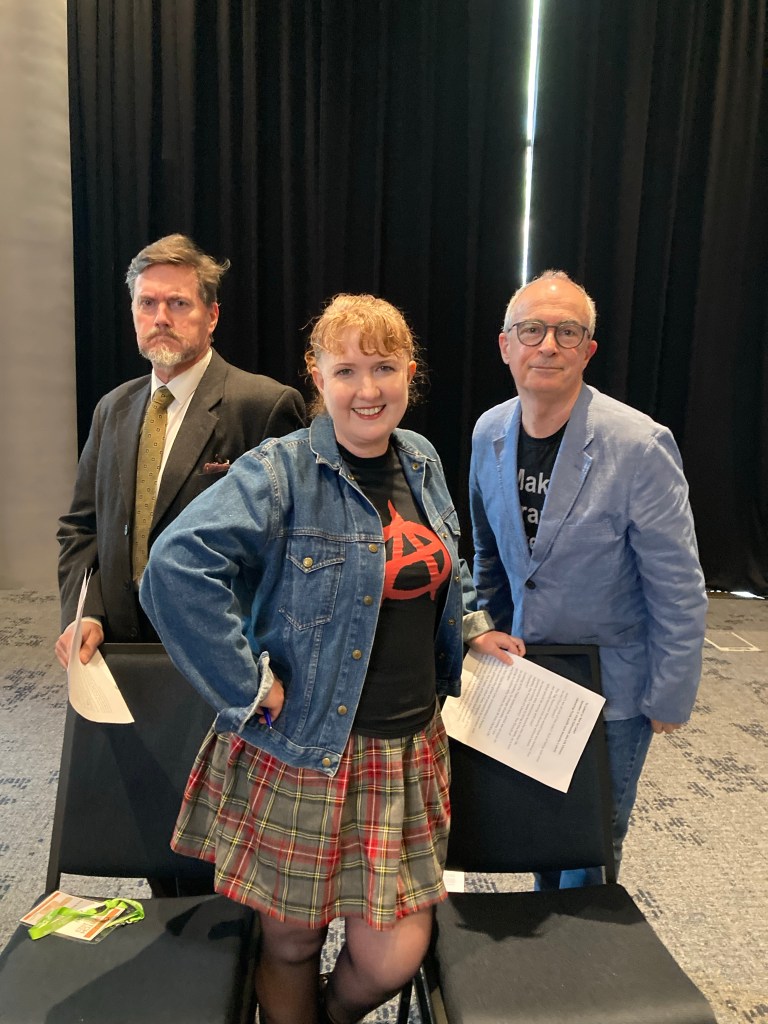
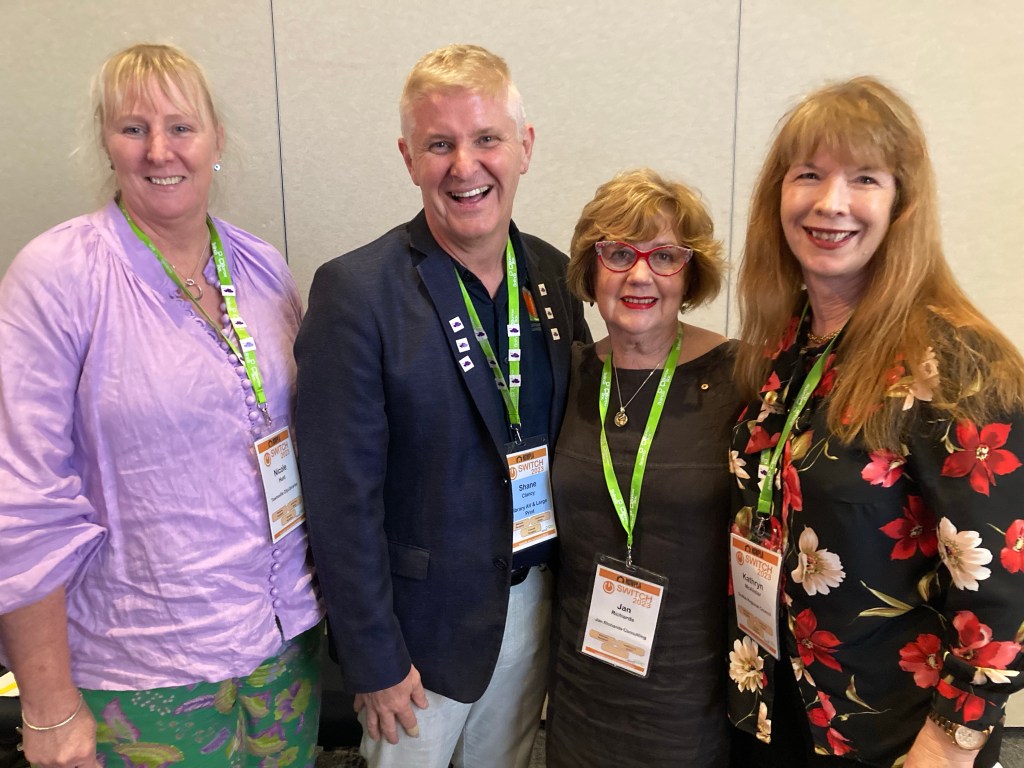
The NO team: Sean Brady, Vicki Edmunds and Roger HenshawTeam YES + me: Nicole Hunt, Shane Clancy, moi, Kathryn McAlister.
In addition to lurking around the two barista stations and snapping people drinking coffee I also facilitated ‘The Great Debate’ where the topic of whether to label collections was considered. The opposing teams had put a great deal of thought into their performances which had the audience roaring with laughter. The result ( decided by the crowd) was a draw but I am sure that many attendees will be rethinking the way they present their collections – or perhaps not.
A very blurry photo booth pic of a policeman, a birthday cake and two Mr Men
As is customary with SWITCH the Conference Dinner was fancy dress, this year with a Book Week theme. A plethora of Harry Potter inspired outfits and more than one Mary Poppins. As I was travelling light I went for a minimalist approach option for Your Birthday was the Best by Maggie Hutchings and wearing a dress made in fabric featuring birthday cakes.
A huge shout out to all involved in delivering such a great event and congratulations to Chris Jones and Sue Killam on being awarded Life Membership of the NSWPLA – well deserved.